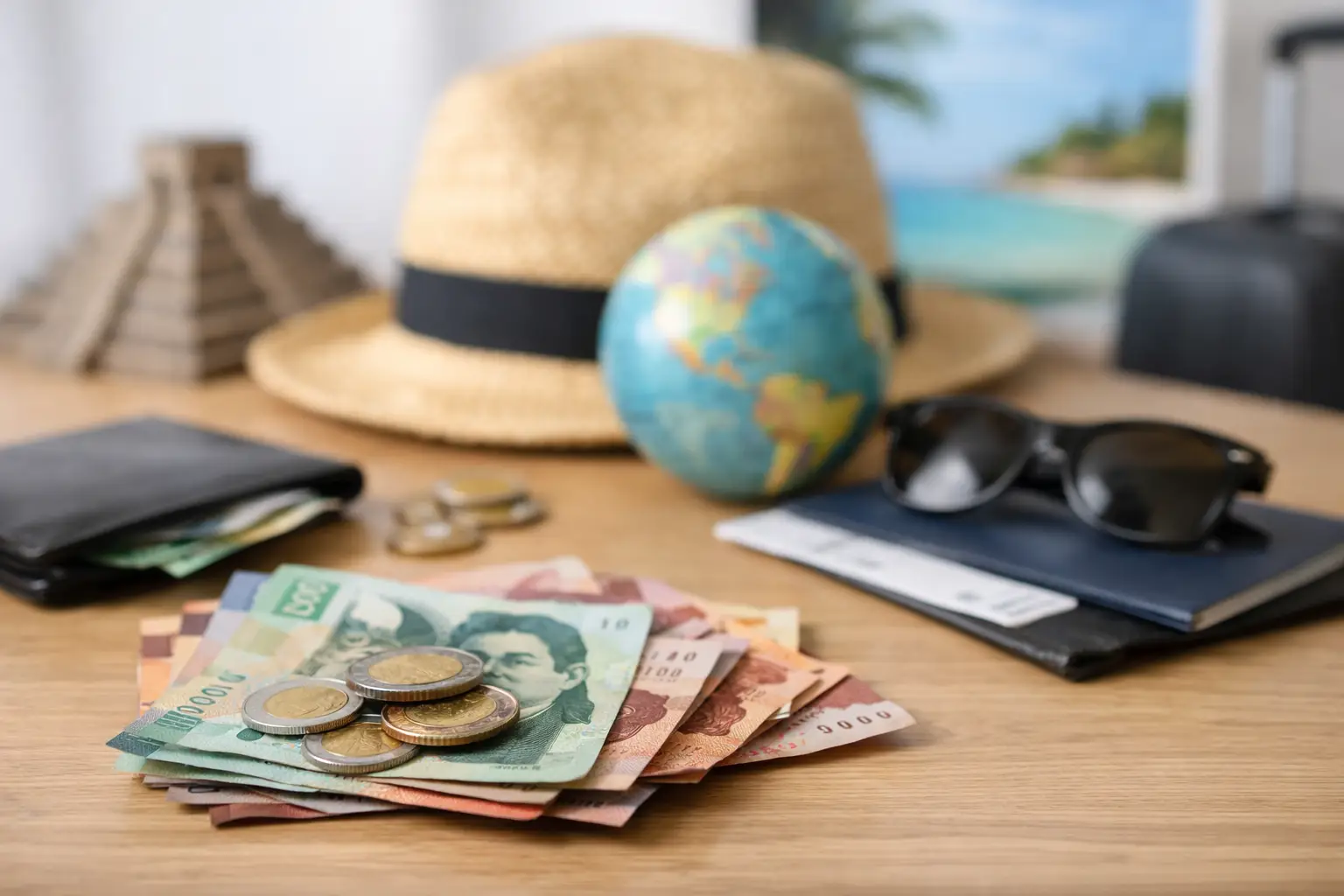
You land, clear immigration, and head straight for a taxi stand or a coffee counter. That is usually the moment the question becomes real: do you need pesos, or can you get by with your card and a little planning?
The short answer is yes, you probably should have some pesos on hand if you are traveling in a country where pesos are the local currency. The longer answer is that how many you need depends on where you are going, how you like to travel, and how often you expect to pay for small, everyday things. In many destinations, cards are widely accepted in hotels, nicer restaurants, and larger stores. But local buses, street food stalls, market vendors, small cafes, public restrooms, and tips often still run on cash.
Do You Need Pesos or Can You Use Cards?
For most travelers, the smartest approach is not choosing one or the other. It is using both.
Cards are convenient, especially if you want better exchange rates and less cash to manage. In major tourist areas, airports, chain hotels, and modern restaurants, paying by card is usually easy. Mobile wallets may work too, but you should never assume they will. Even in busy cities, card machines can go down, vendors may add a minimum purchase, or a small business may prefer cash.
That is why pesos still matter. Cash gives you flexibility when your plans get less polished and more real. Maybe you stop at a roadside taco stand. Maybe the beach bar only takes cash. Maybe your shuttle driver asks for payment at drop-off. These are not rare travel moments. They are normal ones.
If your trip includes smaller towns, local transportation, markets, or family-run businesses, carrying some pesos is even more useful. The farther you get from polished tourist corridors, the more often cash becomes part of the rhythm of the day.
When Pesos Matter Most
There are certain situations where having local currency saves time, stress, and awkward guessing.
Arrival day is a big one
Even if your hotel accepts cards, the first few hours after landing can involve small purchases that are easier in cash. Think bottled water, a snack, a baggage cart, or transportation if your prearranged ride falls through. Having a modest amount of pesos before you need them can make arrival feel smoother.
Small purchases add up fast
One museum ticket, one coffee, one quick tip, one bus ride – these are the moments when cash is often easiest. You do not want to break a large bill for something tiny, but you also do not want to be stuck without any local currency at all.
Rural and local experiences are less card-friendly
If your version of travel includes local markets, neighborhood eateries, beach towns, or day trips outside major cities, pesos become more than a backup. They become part of how you move through the place naturally.
How Much Cash Should You Carry?
You do not need to arrive with a huge wad of cash. In fact, carrying too much is rarely a good idea.
A practical amount is enough for one day of basic spending plus a small buffer. That could mean transportation, one or two meals, tips, and a little extra in case a card reader is offline. For many travelers, that means withdrawing a moderate amount once you arrive rather than exchanging a large sum before departure.
The exact number depends on your style. If you are staying at a resort and booking private transfers, you may only need pesos for tips and a few casual purchases. If you are taking buses, grabbing street food, and shopping in markets, you will use more cash every day.
A good habit is to carry a mix of smaller bills. Even when places accept cash, they may struggle to break large notes, especially early in the day. Small bills make it easier to pay fairly and move on.
Should You Exchange Money Before You Travel?
Sometimes, but not always.
Getting a small amount of pesos before leaving the US can be helpful if you like arriving prepared. It can remove that first-airport scramble and give you confidence for the first taxi ride or snack stop. But exchange counters in the US may not offer the best rates, and airport exchange desks often charge a premium for convenience.
For many travelers, the better move is to withdraw pesos from an ATM after arrival. You will often get a stronger exchange rate, especially if your bank has low foreign transaction or ATM fees. Just make sure you notify your bank before travel if needed, and decline any ATM offer to convert the transaction into US dollars on the spot. Paying in local currency is usually the better deal.
ATMs, Cards, and the Real-World Trade-Off
ATMs are usually the easiest way to get pesos, but they are not perfect. Airport ATMs are convenient, though fees can be higher. Bank-affiliated ATMs in busy areas are often a safer choice than isolated machines on the street. If possible, withdraw during daylight hours and put your cash away before stepping off.
Cards still deserve a place in your plan. They are safer for larger purchases and easier for tracking spending. But relying only on cards can backfire in surprisingly ordinary ways. Maybe the power flickers out. Maybe the beach town you are visiting has one unreliable terminal. Maybe your bank flags a transaction and freezes the card for a few hours.
This is why travel money works best as a mix. A card for hotels, bigger meals, and planned expenses. Pesos for the parts of travel that are spontaneous, local, and lightly improvised.
Do You Need Pesos in Mexico?
If your trip is to Mexico, the answer is almost always yes, at least a little.
In popular destinations like Mexico City, Cancun, Tulum, Puerto Vallarta, and Oaxaca, cards are common in many businesses travelers use. But pesos are still useful every single day. Taxis, tips, market snacks, beach vendors, small restaurants, colectivos, and entrance fees at smaller attractions may all be easier in cash.
Some tourist-facing businesses may accept US dollars, but that does not mean you should rely on them. Exchange rates offered in cash transactions are often less favorable, and using dollars can make prices harder to judge quickly. Paying in pesos is usually simpler, clearer, and more respectful of the local economy.
Is It Ever Fine to Travel With No Pesos?
Sometimes, yes – but only in very specific circumstances.
If you are staying at an all-inclusive resort, using hotel transfers, and spending nearly all your time on property, you may not need much local cash. Even then, a small amount of pesos is still helpful for tips or quick purchases outside the resort. Travel has a way of shifting shape once you are in it. You may want to stop somewhere unexpected, buy something small, or take a local ride you did not plan for.
That is really the heart of it. Going without pesos is not impossible. It is just less flexible.
Smart Money Habits for a Smoother Trip
Keep most of your cash secure and only carry what you need for the day. Split your money between wallet, bag, and hotel safe if one is available. Use a credit card with no foreign transaction fee when possible, and bring a backup card in case one stops working.
It also helps to learn the rough value of a few common prices before you go. Knowing what a coffee, short taxi ride, or casual lunch usually costs can keep you from overpaying and help you budget naturally as the day unfolds.
If you enjoy the kind of travel that mixes practical planning with room for a little wandering, this is one of those small decisions that makes a big difference. A few pesos in your pocket will not transform your trip, but they can make it feel easier, friendlier, and more open to the moments you did not plan. And those moments are often the ones you remember most.
Leave a Reply